
Why social connection matters in assisted living
Assisted living can help older adults maintain regular social contact, shared routines, and meaningful relationships. The setting is designed to make everyday interaction easier, especially for people who may be living alone, have stopped driving, or find it harder to participate in community activities independently.
Social connection is more than having people nearby. It can include friendship, conversation, shared interests, emotional support, and a sense of belonging. Regular interaction may also encourage residents to stay active, follow daily routines, and remain engaged with the world around them.
For residents and families in Exton, PA, assisted living may provide a more predictable social environment than a private home where most interaction depends on family visits, transportation, or scheduled activities.
How does assisted living create daily opportunities to socialize?
Assisted living communities typically build social interaction into ordinary parts of the day. Residents may see familiar people during meals, hallway conversations, activity periods, or outdoor time.
Common opportunities include:
- Shared dining rooms where residents can eat with others rather than dining alone
- Group exercise, stretching, or walking programs
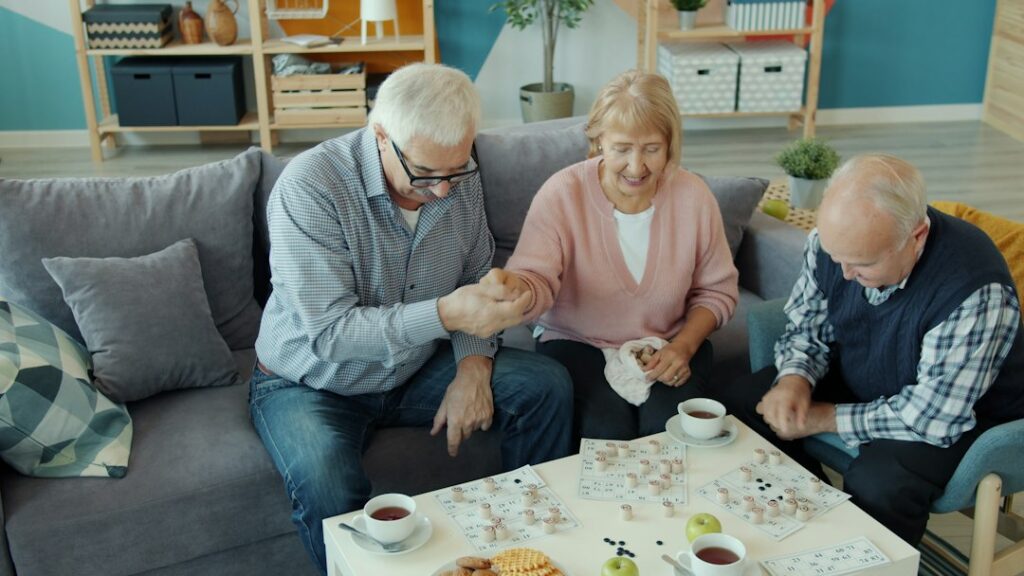
- Card games, crafts, music, and discussion groups
- Reading, educational, or current-events activities
- Seasonal celebrations and cultural events
- Outdoor seating areas and indoor gathering spaces
- Informal conversations before or after scheduled programs
These repeated encounters matter because friendships often develop through familiarity. A resident may not immediately join a formal activity but may gradually become comfortable with people encountered during breakfast or an afternoon gathering.
The most useful social settings are not always the largest or busiest. Smaller groups may be more comfortable for residents who are shy, have hearing difficulties, experience memory changes, or prefer quieter conversation.
Can assisted living reduce loneliness?
Assisted living may reduce loneliness by making social contact more accessible, but it does not guarantee that every resident will feel connected. A person can be surrounded by others and still feel isolated if activities do not match personal interests or if conversations are difficult to follow.
Loneliness often results from a gap between the amount of connection a person wants and the amount of connection available. Assisted living can help narrow that gap by reducing barriers such as:
- Limited transportation
- Physical fatigue
- Fear of falling while going out
- Difficulty preparing meals for one person
- Loss of a spouse or close friends
- Fewer opportunities to meet people after retirement
- Dependence on family schedules
A resident who previously spent much of the day alone may benefit from having several low-pressure opportunities to interact. Even brief exchanges can provide structure and recognition. Over time, familiar faces may become an important source of comfort.
What types of activities support meaningful relationships?
Activities are most socially effective when they allow residents to talk, cooperate, or share personal interests. Passive entertainment can be enjoyable, but activities involving participation often create more natural conversation.
Examples include:
- Cooking or baking groups
- Gardening and indoor plant care
- Art, knitting, woodworking, or other hands-on projects
- Choir, sing-alongs, or instrument groups
- Gentle fitness classes
- Games that encourage teamwork
- Reminiscence discussions about family traditions, careers, or hobbies
- Community service projects
- Small-group outings and seasonal events
An activity does not have to be elaborate to be useful. A coffee discussion, puzzle table, or shared newspaper conversation may create stronger connections than a large event where residents remain mostly spectators.
Good programming also recognizes that residents have different backgrounds, abilities, and preferences. Someone who dislikes competitive games may enjoy music or gardening. Another person may prefer one-on-one conversation rather than group participation.
How are family relationships supported?
Assisted living can complement family relationships rather than replace them. Regular family visits may become easier when relatives know that the resident has meals, activities, and support available throughout the day.
Families can remain involved by:
- Visiting at times that fit the resident’s routine
- Joining a meal or activity when permitted
- Bringing photographs, recipes, music, or familiar objects
- Asking specific questions about recent activities
- Supporting continued contact with friends and relatives
- Participating in seasonal gatherings or family events
Family members may also notice changes in mood, participation, or communication. A resident who suddenly withdraws from activities may be experiencing hearing difficulty, pain, depression, medication effects, fatigue, or uncertainty about how to join a group. Those concerns should be discussed with the appropriate care team or medical professional when needed.
What if a resident is introverted or does not want group activities?
Not every resident wants a busy social calendar. Choosing assisted living does not mean a person must attend every activity or spend large amounts of time in groups.
A quieter resident may connect through:
- A regular conversation with a neighbor
- One-on-one visits
- Reading in a shared lounge
- Quiet hobbies near other residents
- Short walks with a familiar companion
- Smaller activities with limited attendance
- Sitting in a common area without being expected to participate

Social connection should respect personal boundaries. Encouragement can be helpful, but pressure may make a resident less willing to engage. Staff and family members can learn which settings feel comfortable and introduce social opportunities gradually.
How can hearing, vision, or memory changes affect social connection?
Sensory and cognitive changes can make social participation more difficult. Hearing loss may cause a resident to miss parts of a conversation, while vision changes can make unfamiliar rooms or activities feel intimidating. Memory changes may lead someone to avoid interaction because of embarrassment or uncertainty.
Practical adjustments can improve participation:
- Seating a resident where faces are easy to see
- Reducing background noise during conversations
- Using good lighting without glare
- Offering clear, simple instructions
- Repeating information without drawing unnecessary attention
- Keeping activities in familiar locations
- Introducing residents by name and interest
- Using visual reminders for schedules
These accommodations are especially useful during winter or periods of poor weather, when residents may spend more time indoors. A comfortable, accessible common area can help prevent seasonal isolation when walking outdoors or traveling independently is less practical.
What should families ask about social life in assisted living?
Families should look beyond the number of activities listed on a calendar. The more useful question is whether residents actually have realistic opportunities to form relationships.
Questions may include:
- Are activities offered at different times of day?
- Are there smaller gatherings for residents who prefer quieter settings?
- Can residents suggest or lead activities?
- How are new residents introduced to others?
- Are meals flexible enough to support social preferences?
- How are residents included if they have hearing, vision, mobility, or memory challenges?
- Are family members invited to participate?
- What happens if a resident stops attending activities?
- Are outdoor spaces usable during warm, cold, or wet weather?
- Do residents have opportunities for one-on-one conversation?
The answers can reveal whether social connection is treated as a regular part of daily life or simply as entertainment scheduled on a bulletin board.
What does healthy social connection look like?
Healthy social connection in assisted living may look different for every resident. One person may develop a close friendship, while another may prefer several brief conversations throughout the day. Some residents enjoy organized programs, and others connect through shared meals, hobbies, or family visits.
Useful signs include a resident recognizing familiar people, showing interest in upcoming activities, spending time in shared spaces, or talking about new acquaintances. Participation does not need to be constant, and quiet days are normal.
The goal is not to make every resident highly social. The goal is to make companionship, conversation, and community available in ways that respect personality, health, independence, and comfort.
